STEP 4: SELECTING AN INK
The two most dominant ink types on the market are plastisol and water-based. They both have their pros and cons.
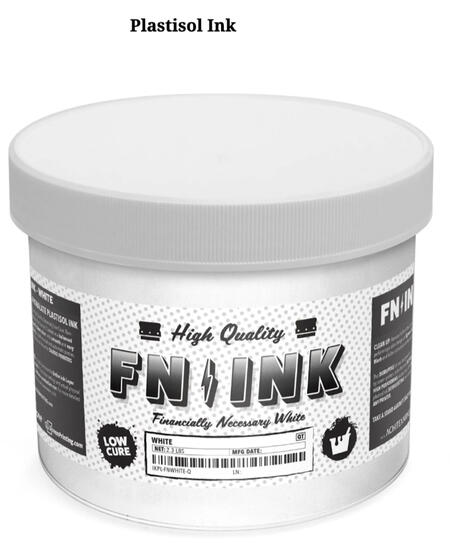
Plastisol ink is opaque, bright, vivid, and user-friendly. The ink is stiffer and needs chemicals to clean it up.
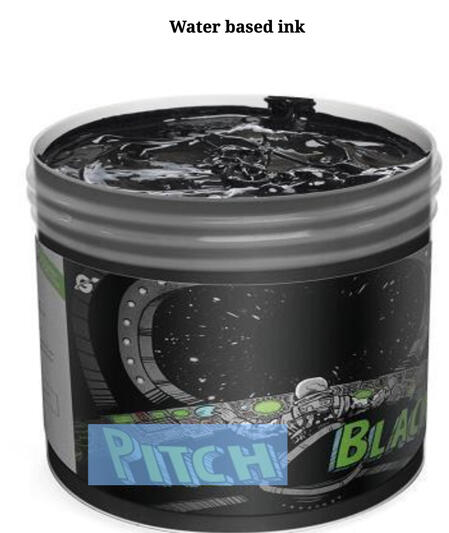
Water-based ink is soft and is great for vintage prints. The downside to the ink is the fact that it evaporates, which makes printing challenging. Achieving a proper cure is also difficult.
Which one you use depends on what you or your customers want and the equipment you have at hand.
STEP 5: SETTING UP YOUR SCREEN PRINTING PRESS
You are ready to start screen printing t-shirts, you need to step up the screens on your screen printing press. A screen printing press consists of a base that holds printing platens and a number of color arms. A manual press can be as small as a 1 color 1 station, or as large as an 8 color 8 station.
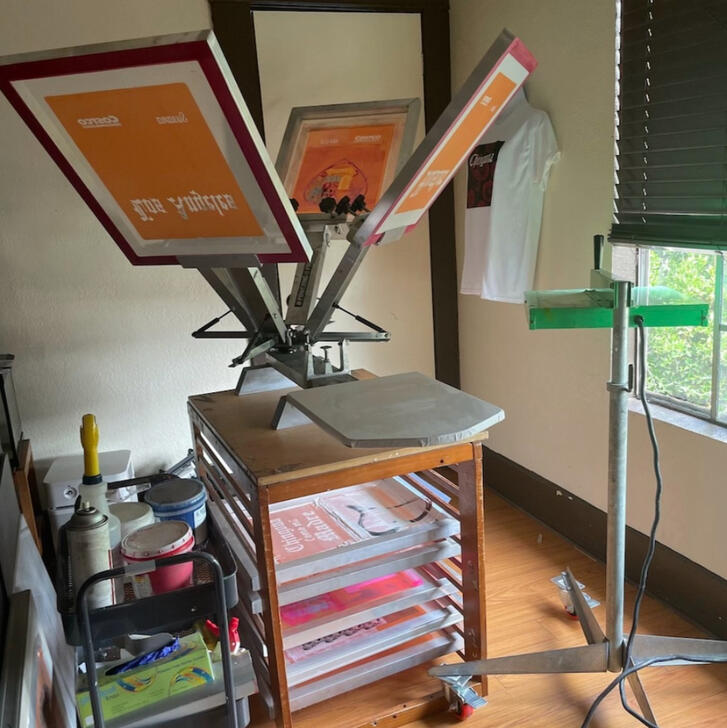
Right before you clamp your screens into your press, you need to tape off the edges of your frame with screen printing tape. This helps keep ink from getting places you don’t want it to.
STEP 6: PRINTING T-SHIRTS
Before loading your shirt onto the platen, you will want to make sure to apply adhesive to the platen. This helps the shirt stick to the platen and not move around. Load your shirt onto the press and get your printhead aligned.
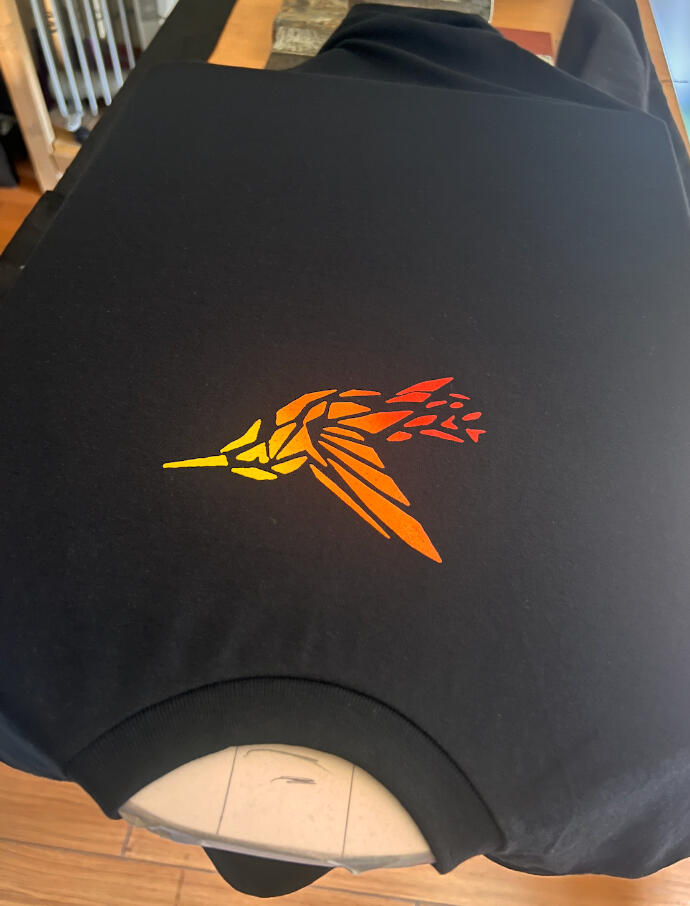
Before locking the print head into place above your shirt, make sure to flood the screen with ink. Once the print head is locked down, push or pull the screen printing ink across the screen to deposit the ink onto the shirt. You may need more than one round of this depending on how much ink was deposited. If you are printing multiple colors, follow these steps with your other screens.
STEP 7: CURING
You also need to cure your shirt after you are completely done printing it. You can cure a shirt with a flash dryer. The temperature at which the ink cure varies. Read the instructions on the ink container to learn the proper cure temperature.
Water-based ink like Green Galaxy will cure between 300°F-320°F.
Plastisol inks like Wilflex Epic Spot Process cure at 320°F. Low-cure plastisol inks like FN-INK™ cures at 260°F
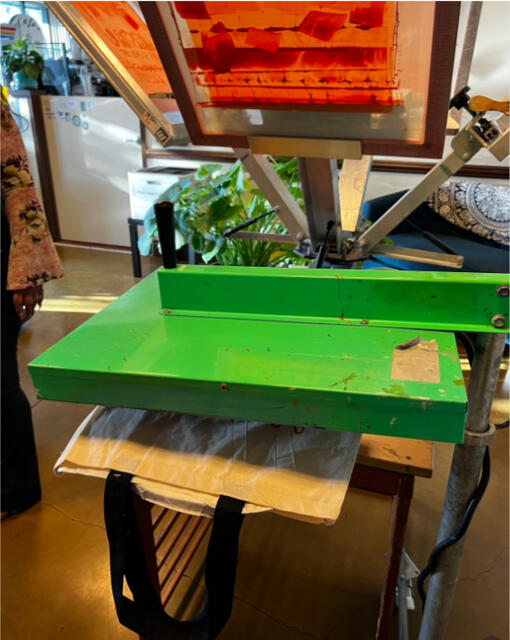
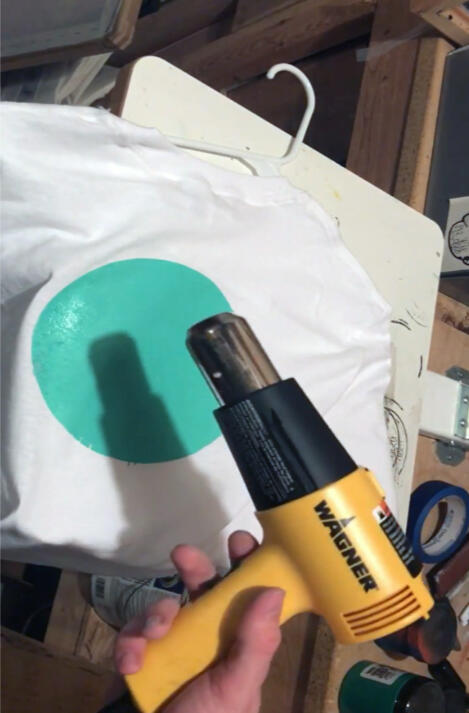
The temperature that an ink cures at means that ink needs to reach that temp from the top to the bottom layer. Before purchasing or using an ink, learn what it needs to achieve full cure before implementing it in your shop. How long it takes to reach full cure will depend on the ink type and the kind of equipment you're using. Check out this article to learn more about curing inks with different kinds of equipment.
MATERIALS NEEDED
"Your screen printing essential checklist"
Your Design
Inkjet Printer
Film positive
A screen mesh
A squeegee
A printing table with hinges
Emulsion
Safe light
Scoop coater
Screen-printing inks.
Fabric
Flash cure
Thank you for your time!
-Veronica Fuentes
Owner of ForeverPaz Custom Printing
If any questions please email for a further explanation!